



Don Johnson’s Hayward Motors Jeep – Which SUV handles our forest roads better near Superior, WI — the 2026 Jeep Wrangler or the 2026 Ford Bronco?
When drivers ask which off-road SUV handles Northwoods terrain better—Jeep Wrangler or Ford Bronco—we start by defining “better” for the way you drive. Around Superior, WI, that might mean tackling rutted forest two-tracks after a rain, easing a small camper up a sloped campsite, or cruising washboard gravel without shaking your gear loose. Both SUVs can do the job. The difference is how consistently and confidently each handles these mixed conditions with minimal fuss.
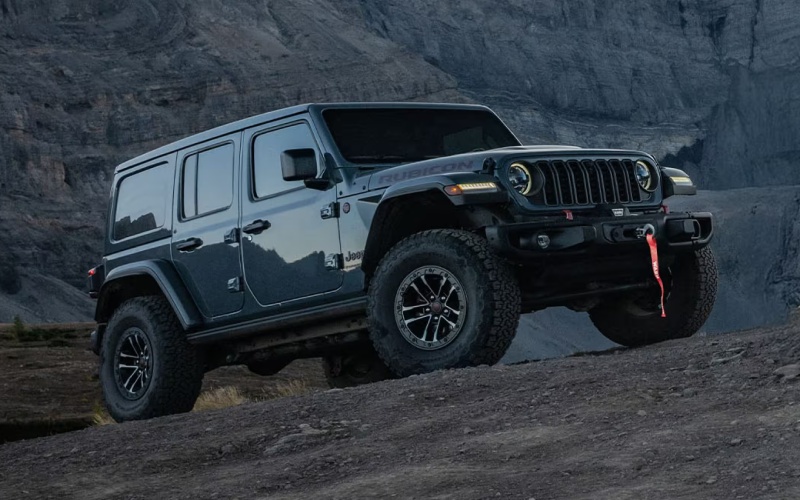
Jeep® Wrangler is engineered around solid front and rear axles, a foundation that keeps tires planted and articulation predictable when the ground gets lumpy. The Ford Bronco® counters with independent front suspension for high-speed stability and comfort, plus smart trail tech like Trail Control and Trail Turn Assist. If your priority is technical control and durability over uneven surfaces—exactly what you’ll find on many National Forest spurs off Highway 2—the Wrangler’s mechanical setup usually feels more composed and easier to place precisely. Below is how we frame the question when customers stop by for a side-by-side test drive.
How we evaluate trail composure around Superior
To keep your research focused, consider these practical points the next time you’re comparing both SUVs back-to-back on your typical routes:
- Axle design: Wrangler’s solid front and rear axles prioritize articulation, durability, and tire contact on uneven terrain; Bronco’s IFS emphasizes ride comfort and on-road control.
- Approach and crawl: Wrangler 4-door offers an available Best-in-Class approach angle of 47.4 degrees and an available 100:1 crawl ratio; Bronco posts a 43.2-degree approach with strong gearing, but not that 100:1 figure.
- Towing confidence: Wrangler 4-door tows up to 5,000 pounds when properly equipped, while Bronco tops out at up to 4,500 pounds when properly equipped.
- Open-air use: Wrangler’s quick-release, no-tools door hinges and available Sky One-Touch Power Top make frequent on/off transitions easy; Bronco’s removable doors and roof are solid, but typically require tools for door removal.
- Winch and bumper integration: Wrangler offers an available factory-installed WARN winch and positions front radar above the mirror to reduce bumper accessory conflicts; Bronco supports accessories, but winch integration is typically accessory-based.
From a local perspective, these differences show up in small but meaningful ways. Head west from Superior toward Brule River access points and you’ll encounter sunken ruts, splashy connectors, and steep approaches to parking pull-offs. Wrangler’s articulation and low-speed control help keep you off the throttle and on your line; Bronco’s suspension smooths the chatter but can see the front end “unload” slightly when crossing deep washouts. When you face a tight, off-camber turn on a soft shoulder, Wrangler’s mechanical traction and gearing take a light touch to settle. The Bronco’s trail tech helps here too—but some drivers prefer mechanical feel to screen prompts when things get spicy.
Capability snapshots you can feel in the seat
These aren’t brochure specs. They’re the kind of sensations you’ll notice within a few miles of leaving pavement:
- Predictable articulation: A solid front axle keeps steering geometry closer to constant while each wheel climbs or drops across washboards and whoops.
- Low-speed finesse: With the Rock-Trac 4×4 System and a 4:1 low gear ratio, Wrangler’s available 100:1 crawl ratio enables precise throttle control when “walking” over embedded rocks.
- Recovery readiness: A factory-fit WARN winch and steel bumpers mean you can pull safely from the frame when the ground gets soft or a friend needs a tug.
None of this is to take anything away from the Bronco’s talents. Its G.O.A.T. Modes, available 360-degree camera, and optional lockers make it exceptionally capable—especially when you’re more likely to hop from blacktop to hard-packed dirt roads. If more of your time is spent in town or at higher speeds over smoother fire roads, Bronco’s ride quality and tech may sway you. But if you spend plenty of days picking through rooted, uneven routes and prefer the confidence of solid axles, Wrangler remains the benchmark.
Frequently Asked Questions:
Does the Wrangler really tow more than the Bronco?
Yes. When properly equipped, Wrangler 4-door models can tow up to 5,000 pounds, while Bronco’s maximum published figure is up to 4,500 pounds when properly equipped.
Will Wrangler’s solid axles ride rougher on pavement?
Ride feel is subjective, but Wrangler’s latest chassis tuning, tire choices, and available shocks keep highway manners composed. For mixed-use days—commute, then trail—the difference is smaller than many expect.
Which is easier to drive with the top and doors off frequently?
Wrangler’s quick-release, no-tools door hinges and available Sky One-Touch Power Top make frequent open-air use simpler. Bronco’s cowl-mounted mirrors are convenient with doors off, but door removal typically requires tools.
What about interior tech and screens?
Wrangler offers an available 12.3-inch Uconnect 5 NAV touchscreen with trail mapping and wireless Apple CarPlay/Android Auto. Bronco’s SYNC system also provides large-screen tech and helpful off-road displays—both are strong here.
Ready to test your answer to this question? Bring your checklist to Don Johnson’s Hayward Motors Chrysler Dodge Jeep Ram, serving Ashland, Superior, and Bayfield. We’ll map a loop that reflects your daily driving and your weekend plans so you can feel the difference where it matters.
Request more 2026 Jeep Wrangler information
Connect with us


- Chrysler Pacifica
- Dodge Durango
- Don Johnson's Hayward Motors Chrysler Dodge Jeep Ram
- Don Johnson's Hayward Motors Chrysler Dodge Jeep Ram Service
- Hayward Chrysler Dealer
- Hayward Chrysler Service
- Jeep Cherokee
- Jeep Compass
- Jeep Dealer
- Jeep Grand Cherokee
- Jeep Grand Wagoneer
- Jeep Wrangler
- RAM 1500
- Ram 2500
- RAM 3500 Chassis Cab
- RAM Dealer
- Uncategorized