



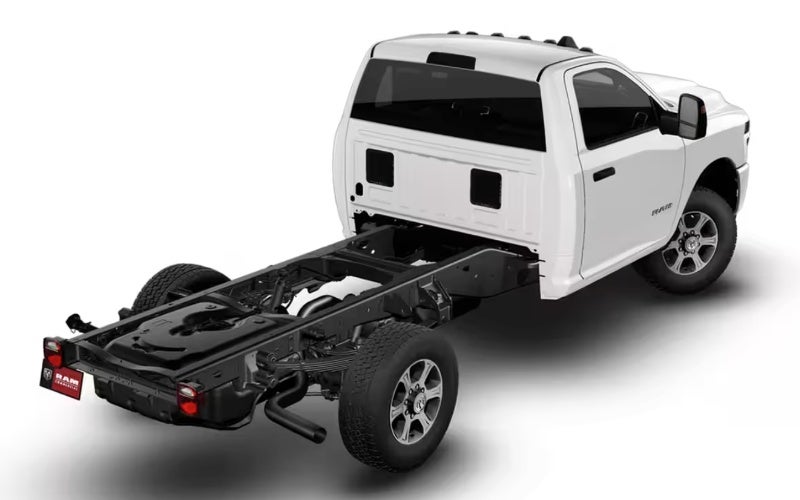

Don Johnson's Hayward Motors Ram - Can the 2026 Ram 3500 Chassis Cab Be Upfitted for Contractor Work Around Minong, WI?
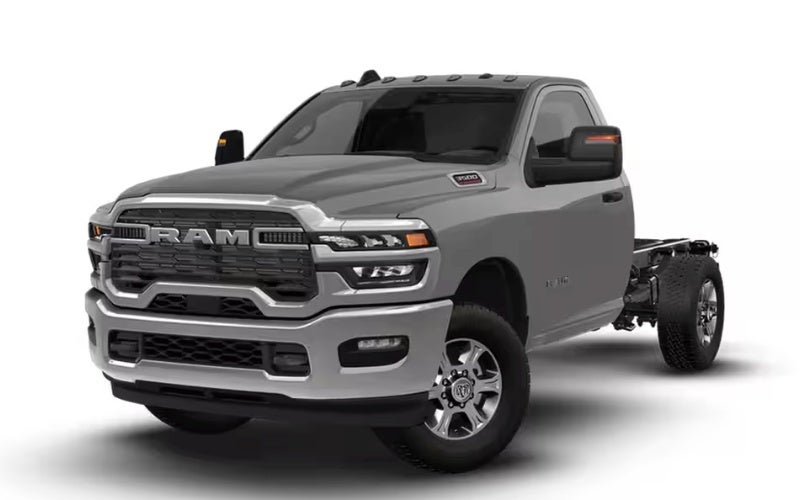
Contractors around Minong, WI need work trucks that can be shaped around the job, not the other way around. The 2026 Ram 3500 Chassis Cab is a strong candidate because it is designed as a durable, versatile platform that can support many commercial body styles and trade-specific configurations. Instead of starting with a traditional pickup bed, a chassis cab gives your business the flexibility to add the equipment, storage, and work body that make sense for your daily operation.
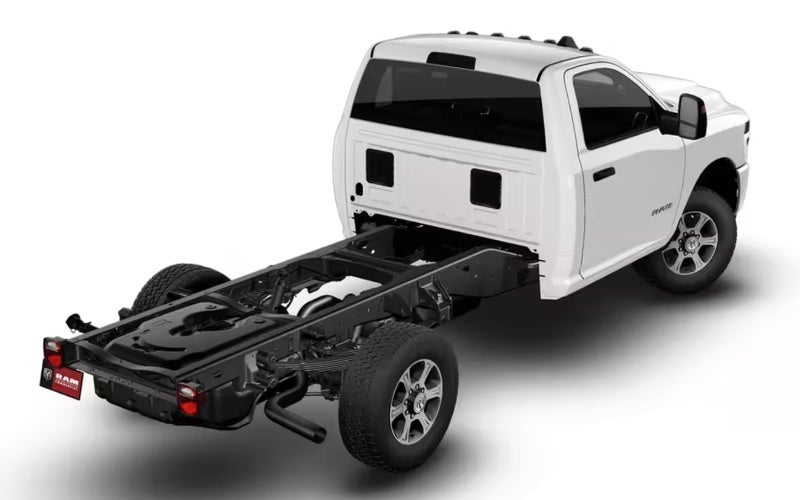
That flexibility matters for builders, electricians, plumbers, landscapers, road crews, property maintenance teams, municipal departments, and independent service providers. Your truck might need lockable compartments, a flat working surface, a dump body, a utility body, tool storage, towing equipment, or specialty electrical integration. The Ram Chassis Cab is built with those kinds of applications in mind, and OEM resources such as the Ram Body Builder's Guide help upfitters evaluate important specifications before the final build begins.
Why Upfit Flexibility Matters for Contractors
A contractor truck is often one of the most important tools in the business. It has to carry equipment, transport materials, protect tools, tow trailers, and present a professional image when arriving at a customer location. A standard truck may work for general transportation, but a chassis cab can be planned around the exact work you do. That means fewer compromises and a better daily workflow for the driver and crew.
The 2026 Ram 3500 Chassis Cab is especially appealing because it brings heavy-duty capability together with upfit planning support. The exterior is described by Ram as versatile and durable, and it is built to tow and haul heavy loads. The open rear frame allows the truck to become a service truck, flatbed, box truck, dump truck, or another specialized configuration. For contractors serving Superior, Bayfield, and Minong, that adaptability can be useful when routes include rural roads, jobsite access, material pickups, customer visits, and regional equipment transport.
What Types of Upfits Make Sense?
The best upfit depends on how your business makes money every day. A plumbing company may prioritize enclosed storage and parts organization. A landscaper may need a dump body or flatbed. A utility contractor may need exterior compartments, ladder racks, and towing equipment. A municipality may need a configuration that supports maintenance tools and safety equipment. The point is not just to add a body; it is to create a vehicle that reduces wasted time.
- Service body: A practical choice for contractors who carry tools, parts, fittings, meters, and diagnostic equipment.
- Flatbed: A strong option for hauling pallets, building materials, farm supplies, or oversized jobsite equipment.
- Dump body: Useful for landscaping, maintenance, debris removal, gravel, mulch, and light construction support.
- Box body: A smart fit for protected cargo, delivery work, mobile inventory, or enclosed trade equipment.
- Utility configuration: Ideal for businesses that need organized exterior compartments and quick access to frequently used tools.
Before choosing any upfit, it is important to understand payload, towing, electrical needs, body dimensions, and weight distribution. The Ram Body Builder's Guide is designed to help with that process by providing safety, security, towing, payload, GCWR, emissions, electrical data, and dimensional graphics. Those details can help your upfitter and dealership team determine which configuration best supports your intended use.
Choosing the Right Engine for Your Work
Engine choice is one of the most important decisions for any chassis cab buyer. The 2026 Ram 3500 Chassis Cab offers two available engines, and each one serves a different type of operator well. The available 6.7L Cummins® Turbo Diesel I6 engine offers 800 pound-feet of maximum torque, 360 maximum horsepower, and a maximum trailering capacity of 34,540 pounds. For contractors who tow heavy trailers often, move equipment between jobs, or need strong low-speed pulling power, this engine is a natural fit.
The available 6.4L HEMI® V8 engine delivers 429 pound-feet of maximum torque, 375 maximum horsepower, and a maximum trailering capacity of 21,240 pounds. It can be a smart choice for businesses that want capable gas-powered performance, especially if the truck will spend more time on local routes, service calls, lighter towing, or stop-and-go jobsite work. Neither engine is a one-size-fits-all answer. The right choice depends on your trailer weight, operating radius, upfit weight, payload needs, idle time, and long-term service preferences.
Cabin Technology Helps the Workday Flow
A work truck cabin should feel organized and durable. Ram notes that the Chassis Cab is outfitted with heavy-duty materials and ample interior storage options, which is valuable for crews carrying paperwork, devices, safety gear, and small tools. The available high-definition 12-inch Uconnect® touchscreen also adds modern functionality to the workday by helping drivers manage information more easily.
For contractors, the cab may function as a rolling office between jobs. A larger touchscreen can help with route guidance, compatible phone functions, and everyday organization. When multiple team members use the truck, intuitive controls can also help reduce confusion. Work vehicles are most effective when drivers can focus on the task, access what they need quickly, and stay comfortable enough to remain productive across a full schedule.
Safety and Confidence on Local Routes
Capability is only part of the equation. A contractor truck also needs to support driver confidence, especially when towing, carrying equipment, or traveling between job sites. The Ram Chassis Cab offers available Adaptive Forward Lighting, Forward Collision Warning, and additional helpful features. Adaptive Forward Lighting can help improve visibility by directing light more effectively, while Forward Collision Warning can alert the driver to a potential frontal collision.
These features are especially useful because commercial trucks often operate under pressure. Drivers may be watching traffic, navigating customer properties, managing trailer length, or looking for safe places to park near a jobsite. Available driver-assist features do not replace attentive driving, but they can provide another layer of awareness during busy workdays.
Questions to Ask Before Ordering or Buying
A successful chassis cab purchase starts with practical planning. Before you commit to a configuration, write down how the truck will be used most often. Think about current needs, but also consider whether your business may add heavier trailers, more tools, or different services in the future. A little planning up front can help you avoid outgrowing the truck too quickly.
- Primary use: Will the truck tow daily, haul materials, carry tools, or serve as a mobile service unit?
- Upfit weight: How much will the installed body and equipment weigh before cargo is added?
- Trailer demands: What is the heaviest loaded trailer the truck will need to pull?
- Crew needs: How many people will regularly ride in the cab, and what storage will they need?
- Technology expectations: Will navigation, communication, and touchscreen access help your team work more efficiently?
After those questions are answered, Don Johnson's Hayward Motors Chrysler Dodge Jeep Ram can help you compare the right Ram Chassis Cab configuration with your business needs. The goal is not just to find a truck with impressive specifications. The goal is to match the chassis, engine, cabin, and upfit direction to the way your company actually operates.
Frequently Asked Questions:
Can the 2026 Ram 3500 Chassis Cab support a service body?
Yes, the chassis cab format is well suited for service body applications when properly configured. Service bodies are popular with contractors because they provide organized compartments, tool access, and a professional work setup. Your upfitter should review dimensions, payload, electrical needs, and equipment weight before finalizing the build.
Is the Cummins® diesel engine necessary for every contractor?
Not necessarily. The available 6.7L Cummins® Turbo Diesel I6 is an excellent choice for heavy towing and demanding torque needs, but the available 6.4L HEMI® V8 may be a better fit for businesses focused on local service routes, moderate towing, or gas-powered simplicity. The right answer depends on your work, not just the largest capability number.
Why should I review upfit needs before choosing the truck?
Upfit weight, body length, equipment placement, towing requirements, and electrical needs can all affect the ideal truck configuration. Reviewing those details early helps ensure the chassis supports the finished vehicle. It also gives your upfitter better information for planning a truck that works efficiently from day one.
The 2026 Ram 3500 Chassis Cab can be an excellent upfit platform for contractors around Minong, WI because it combines heavy-duty strength with configuration flexibility. When your truck is designed around your workflow, it can help your crew stay organized, reduce unnecessary trips, and take on jobs with greater confidence. For in-market shoppers, the smartest move is to start with the work you do, then build the truck around that mission.